
Bledington: How a Community Emergency Plan made all the difference
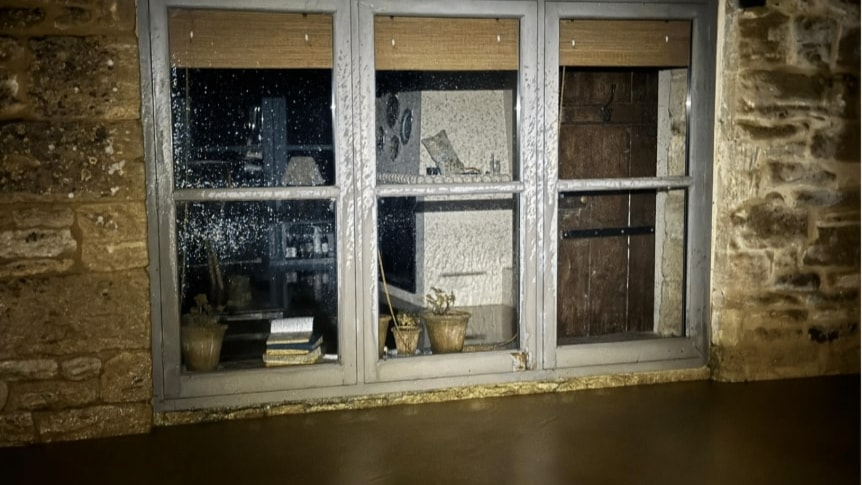
When floods hit Bledington in December 2020, the village faced a familiar challenge: water rushing into homes, roads blocked, and volunteers eager to help but unsure where to start.
The response to that event prompted the development of a Community Emergency Plan aimed at preventing similar situations in the future. Cotswold District Council is eager to raise awareness about the importance of being prepared so other town and parishes don’t face the same challenges as Bledington in 2020.
Ossie Rawstorne, Chair of Bledington Parish Council, remembered the flood well. “There was a huge amount of goodwill within the village to respond to the floods, but it was terribly poorly coordinated,” he said. “People were all over the place and nobody knew quite what everybody else was doing.”
That chaos became the catalyst for a more structured approach. Ossie and fellow parish councillor Ian Simpson, who also helps run the village flood group, realised that alongside long-term mitigation work, the community needed a clear emergency response plan.
Building the plan
Bledington’s flood group had been active for years prior, coordinating with landowners, farmers, and agencies such as the Environment Agency and the local lead flood authority (Gloucestershire County Council). Ian described their approach as a central hub in a wheel, “with all the spokes radiating out to the relevant agencies… basically, we’ve got tentacles going out to everybody.”
Following the severe floods of 2020, the group formalised their efforts into a flood response plan, which then became part of a wider Community Emergency Plan, working with the parish council, covering other risks as well. The plan detailed roles, responsibilities, and communication channels.
The parish council also worked with Cotswold District Council. Ossie explained how valuable this support was: “We were in touch with Becky, the council’s emergency planning officer, and the Gloucestershire Rural Communities Council (GRCC). They agreed to review the plan and, more importantly, came and did a walkthrough with us in the village. They helped highlight areas we needed to improve and gave practical advice on how the plan could actually work on the ground.”
He said this input helped ensure the plan was practical, actionable, and fully aligned with council procedures, giving Bledington a strong foundation for future incidents.
The 2024 floods
In September 2024, Bledington experienced flooding once again, followed by more severe floods in November 2024. This time, the community was prepared. Ossie said: "The flood wardens, such as myself, monitor a WhatsApp group of residents who are vulnerable to flooding. During an incident, we can see who needs help and direct volunteers to the right places quickly. It meant that there was real coordination between the needs of those residents and the volunteers.”
Ian added that early monitoring and local knowledge were crucial: “We walk around the catchment every morning, and when we hit the alarm bell, the flood response kicks into gear. Having volunteers in the right place at the right time really reduces the impact of the flooding on people’s homes.”
Although the 2020 floods saw an outpouring of community support, Ian said that the response was uncoordinated and not always as effective as it could have been. By contrast, he added, the 2024 response was coordinated and efficient, minimising damage and ensuring vulnerable residents received help promptly - largely due to the Community Emergency Plan.
Lessons learned
Ian and Ossie said that the experience from Bledington highlights two key lessons:
- Communication is vital. Following the September 2024 floods, the parish council realised that leaving communication to chance created confusion. Ossie said: “Leaving a communication vacuum is disastrous… it’s really vital that we take control to let people know what we’re doing and who to contact if they want to help.” They were able to build on this communication when the floods hit a few months later in November and build this into the plan.
- Recovery requires planning too. Ian reflected on the importance of post-flood recovery: “Even after the water recedes, there’s a huge amount of mud and debris to clear. Planning how volunteers can help with the clean-up is almost as important as the initial response.”
Encouraging other communities
Ian believes that Bledington’s experience shows that even villages not immediately prone to flooding can benefit from an emergency plan, which can help during various types of incidents. He said “We’ve included a 30% climate crisis increase in our catchment study. Who’s to say in 20 years’ time other villages won’t be experiencing similar flooding? Planning ahead is essential.”
Ossie added: “One of the big benefits is improving links and relationships between different village organisations. That’s reason enough to put a plan together.”
To find out more about Community Emergency Plans please visit: Preparing Your Community - Gloucestershire Prepared. If you would like any support developing your plan, please email [email protected].