
Cotswold District Council delivers balanced 2026/27 budget with zero borrowing
~ Council’s strong reserves help put council in a stable financial position for the year ahead ~
Cotswold District Council has agreed a balanced budget for 2026/27 that protects frontline services, invests in key priorities and keeps the organisation on a secure financial footing - despite the significant pressures facing councils nationally.
At a meeting of Full Council on 23 February, councillors approved a £5 increase in the Band D council tax for the year ahead - less than 10p a week. This modest rise, in line with Government assumptions, will help the Council manage continued inflationary pressures and safeguard essential local services.
As the Council enters its final two years before local government reorganisation, the 2026/27 budget also forms a key part of its commitment to leave a strong and positive legacy for the new unitary council or councils that will replace it in April 2028.
A stable financial position that protects services - in contrast to many councils nationally
While a growing number of councils across the country have sought Exceptional Financial Support from the Government to avoid bankruptcy, Cotswold District Council remains in a secure and stable financial position.
The latest three‑year Local Government Finance Settlement has brought welcome certainty. Combined with proactive financial management throughout 2025/26 - strengthening reserves and managing inflation - this means:
- There is no immediate risk of needing Exceptional Financial Support
- A balanced budget is in place for 2026/27
- General Fund reserves remain strong (£1.760m)
- £2 million allocated for Local Government Reorganisation transition, helping ensure the new unitary arrangements start from a position of strength
- Earmarked reserves remain adequate to manage risks and support priorities
- £2.2 million moved from revenue to fund capital projects
Major investment programme delivered with no borrowing required
One of the standout features of this year’s Budget and Medium‑Term Financial Strategy is the Council’s ability to fund major projects without taking on debt.
For 2026/27, the Council has approved a £10.5m capital programme, including:
- Major investment in the waste and recycling fleet - the district’s largest decarbonisation project so far, including its first electric refuse vehicle
- Improvements to local leisure centres
- Continued support for affordable housing
- Investment in digital services and essential infrastructure
All of this will be funded entirely through:
- Revenue contributions
- Capital receipts
- Earmarked reserves
- External grants
By avoiding borrowing - and the revenue and interest costs that come with it - the Council is protecting its financial future and helping ensure the new unitary council(s) do not inherit unnecessary financial burdens.
Residents backing for the Council’s approach
During the budget consultation (December 2025 - January 2026), residents showed strong support for the Council’s proposals.
Two‑thirds (66.7%) agreed or strongly agreed with the £5 council tax increase to help close the funding gap caused by ongoing reductions in Government support.
Residents also backed the Council’s plans for service delivery in the run‑up to Local Government Reorganisation. A clear majority (56.7%) favoured transforming services to improve value for money, modernise operations and strengthen the foundations for the future unitary council(s).
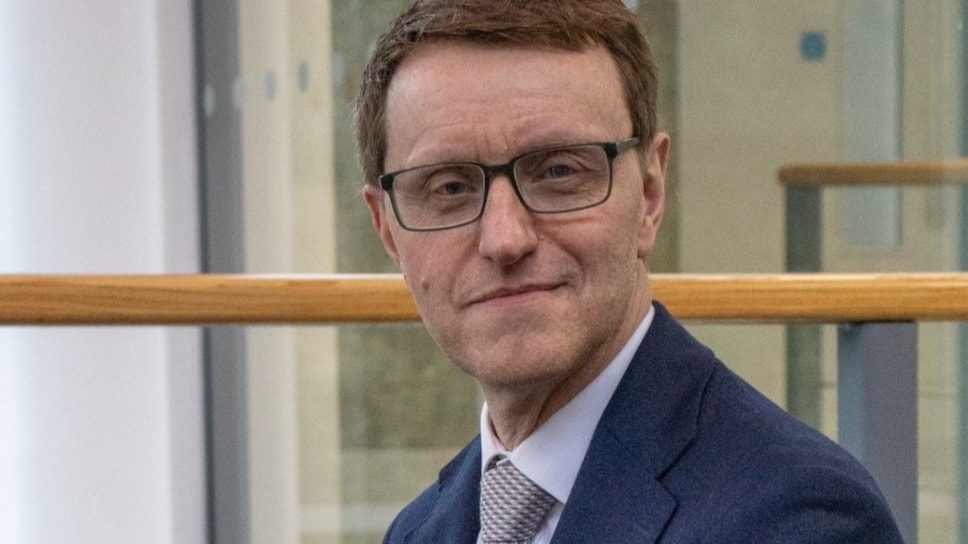
David Stanley, Deputy Chief Executive and Section 151 Officer, said:
“This budget has been built on firm financial foundations. By taking a careful, disciplined approach throughout the year, we have been able to protect essential services, strengthen our reserves and avoid the need for borrowing to fund our capital programme.
“At a time when many councils are facing severe financial pressures, this position is a testament to strong financial management and a clear focus on long‑term sustainability. While challenges remain in the medium term, this budget gives us a solid platform from which to plan and adapt, and every aspect of it - from capital investment to transformation activity - is shaped by the Council’s commitment to leave the strongest possible legacy for residents, communities and the future unitary authority.”
A platform for future sustainability
Although a medium‑term budget gap remains from 2027/28 onwards - a challenge shared across local government - the Council is already progressing programmes of efficiencies, service transformation and modernisation. These will help ensure services remain sustainable and cost‑effective in the run‑up to reorganisation in Gloucestershire.
The Council will continue to monitor reserves carefully throughout 2026/27 and bring forward further proposals to maintain financial resilience in the years ahead.