
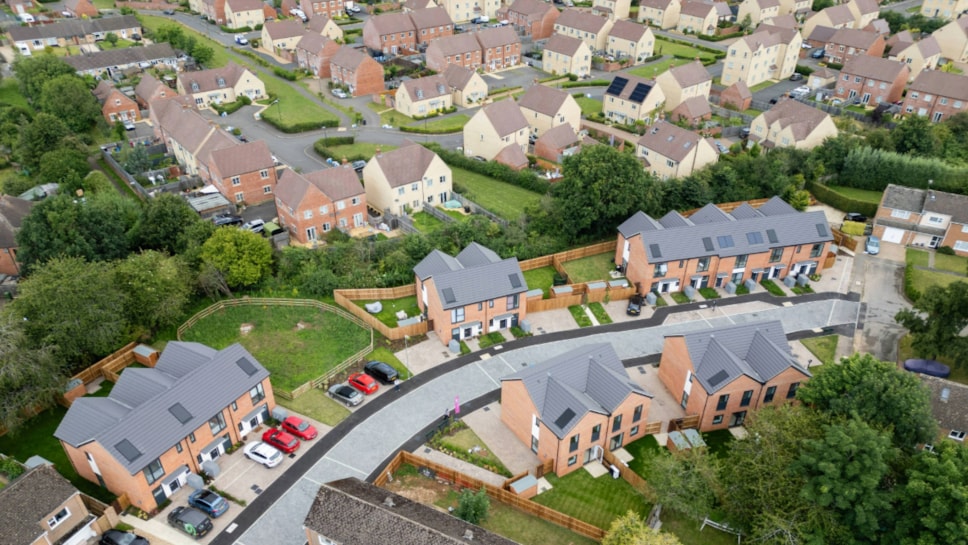
Council forced to withdraw from Moreton-in-Marsh housing appeal as planning system stacks the odds against local decision-making
Cotswold District Council has confirmed it is withdrawing from a public inquiry into a proposed 195-home development in Moreton-in-Marsh, after concluding that the national planning system now leaves councils with little realistic chance of defending refusals of this kind.
The development was refused permission by councillors last year – on the recommendation of planning officers – because it was considered unsustainable at the time.
Despite the tough national planning climate, the Council was prepared to defend that decision and had appointed external legal and planning experts to do so.
However, following a detailed review of the appeal evidence and further changes proposed by the government to national planning policy, the Council has taken independent advice that should it continue to fight the appeal – due to be heard next week – it would now be very unlikely to succeed, carrying a significant risk of further costs falling on local taxpayers.
In a letter sent to the Planning Inspectorate today, the Council confirmed that it will no longer contest the appeal and will withdraw its case from the inquiry.
Helen Martin, Director of Communities and Place, said: “When the Council refused this application last year, it did so based on both the Government’s policy framework and evidence available at that time. Since then, further changes to national planning policy have been proposed and more evidence has emerged as the site has undergone testing. This means the Council’s ability to robustly defend the refusal at appeal has been significantly diminished.”
Helen added that testing of the site had been taking place as part of the Council’s work to update its Local Plan, in response to the Government’s housing targets. She said: “The Council must leave no stone unturned as it bids to ensure the updated plan is found to be sound following submission later this year.”
Proposed policy changes, such as a strong presumption in favour of granting planning permission for housing development within walking distance of railway stations, and a higher bar for justifying refusals, have made challenging the appeal much more difficult. This is especially the case where benefits include housing numbers which contribute to housing requirement and affordability.
Helen noted that the ‘tilted balance’ has now shifted in favour of the development, because the harms no longer significantly and demonstrably outweigh the benefits brought by new housing. Tilted balance is a policy approach in planning that favours granting permission for development when certain conditions are met, and which is much easier to trigger following significant increases to housing targets.
Council Leader Mike Evemy said: “This is not about a lack of resolve at a local level. We were prepared to fight this and had put in a significant amount of work to do so. This is about a planning system that is now deliberately set up to favour housing development, almost regardless of local concerns.
“Housing targets were increased before this application was refused, and since then the government has continued to move the goalposts through further proposed changes to national policy. The cumulative effect is that councils are being stripped of the ability to refuse speculative development.
“It is forcing us into an impossible choice: either concede developments we don’t support or spend vast sums of public money fighting appeals where the odds are stacked against us.”
Cllr Evemy added that this underlines the importance of pushing ahead at pace with a new Local Plan, and doing what needs to be done to ensure that plan is found to be sound. This remains the only realistic way to regain control over where and how development takes place.
This position was reiterated by government in its latest letter to Cllr Evemy, which acknowledged the constraints faced by the Cotswold district while stating that it must use the Local Plan process to set out its intentions in light of those constraints.
The Council stressed it will continue to challenge proposals where there is clear and demonstrable harm. Where that is no longer possible – such as in this case – it will focus on securing the best possible outcomes for local communities.