
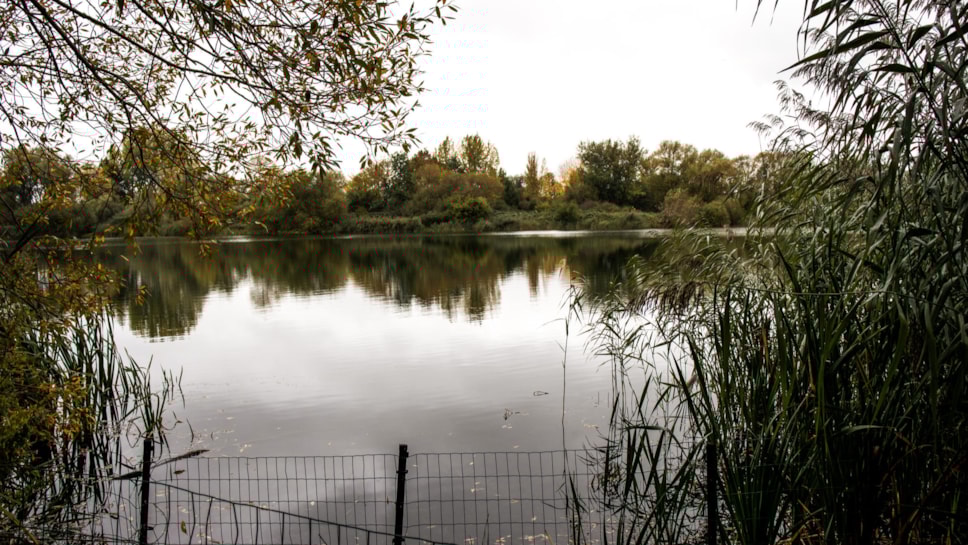
Top score for Cotswold District Council as it puts nature at its heart
Cotswold District Council has been recognised as one of the best-performing authorities in the country for nature recovery, according to the national Nature Emergency Scorecards - reflecting its strong commitment to protecting and restoring one of the UK’s most valued landscapes.
The high score reflects the work carried out by the council through its Ecological Emergency Action Plan.
Speaking about this work, the cabinet member for housing and planning Juliet Layton said: “People choose to live, work and visit the Cotswolds because of its beautiful landscapes and wildlife. But these natural assets cannot be taken for granted.
“The Cotswold district is home to renowned limestone grasslands, ancient woodlands, river corridors, and lakes which underpin our distinctive character. But we know these sensitive ecosystems are under pressure from habitat loss, pollution, and climate change.
"That is why we are taking action now to preserve what makes our district so unique.”
Recognising both the beauty and the vulnerability of the district’s landscapes, the council declared an Ecological Emergency in 2020, building on its earlier declaration of a Climate Emergency in 2019. Since then, the council has been working to ensure that nature recovery is embedded into everything it does, from planning and housing to land management and infrastructure.
Key actions already in progress include improving the management of public spaces, parks and verges to make them more nature‑friendly. This includes additional tree planting, the creation of wildlife corridors, and reduced mowing where appropriate to support biodiversity.
The council is also working closely with partners such as the National Trust, Gloucestershire Climate and Nature Fund, and Gloucestershire County Council to identify and deliver opportunities to enhance and restore nature across the district.
Together, these actions support healthier ecosystems, reduce flood risk, enhance access to nature for communities, and help preserve the district’s landscape.
This commitment is reflected in a recent positive score in the Nature Emergency Scorecards.
The scorecards assess 395 councils across the UK on the actions they are taking to address the nature crisis at a local level, by assessing councils against four key criteria:
- Have councils declared an ecological or nature emergency (only 28% of assessed councils have done so)
- Have councils committed to producing an evidence-based action plan for nature recovery (just 14% of councils assessed have produced an Ecological Emergency Action Plan or equivalent)
- Is nature recovery embedded into the council’s strategic plans and policies (achieved by only 9% of the assessed councils)
- A commitment to the “30 by 30” target, protecting and managing 30% of council-owned land for nature recovery by 2030
The council currently meets the first three of these criteria, making it one of the best performing councils in the country.
The results show the council is actively progressing the ambitions set out in its Ecological Emergency Action Plan. Notably, it is the only rural council in the south-west of England to meet three out of the four assessment criteria.
Cllr Layton, said: “This score shows that we are turning our ecological emergency declaration into practical action, embedding nature recovery into key decisions. By restoring nature, we are protecting our communities, supporting our economy and safeguarding the landscape that define this district.”
The council will continue to build on this progress, working with communities, landowners and partners to help nature recover across the Cotswolds while contributing to wider national ambitions for biodiversity and climate resilience.